
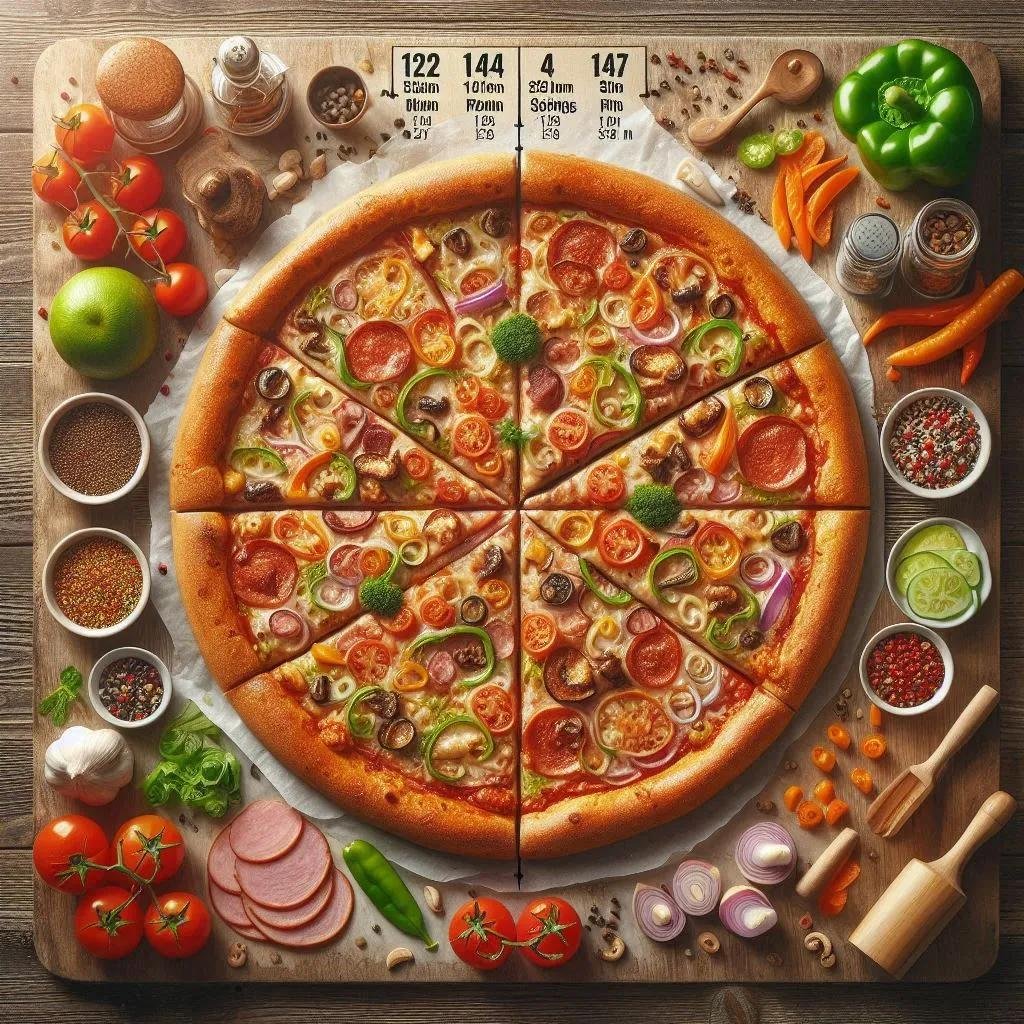
Pizza is one of the most popular foods in the United States, but it can be surprisingly confusing when you ask, “What food group is pizza in?” Is pizza a grain, dairy, protein, or vegetable? The answer is that pizza usually contains foods from several food groups, rather than belonging to just one.
A typical pizza may contain a grain-based crust, cheese from the dairy group, meat from the protein group, and vegetables from the vegetable group. This makes pizza an interesting example when learning about food groups and balanced meals.
The USDA’s MyPlate approach separates foods into five main groups: Fruits, Vegetables, Grains, Protein Foods, and Dairy. USDA’s own healthier-pizza resource uses pizza crust as a grain base and then recommends adding vegetables, fruits, lean protein foods, and low-fat dairy toppings.
So, pizza is not assigned to only one food group. Its classification depends on the ingredients used to make it.
Quick Answer: What Food Group Does Pizza Fall Under?
If you need a simple pizza food group answer, here it is:
Pizza can contain foods from multiple MyPlate food groups. The crust generally counts toward the Grain Group, cheese counts toward the Dairy Group, meat toppings can count toward the Protein Foods Group, and vegetable toppings can count toward the Vegetable Group.
For example, a vegetable pizza with a whole-grain crust and cheese can provide foods from the Grains, Dairy, and Vegetable Groups.
This is why asking what food group does pizza belong to for MyPlate does not have a single answer.
Pizza Food Group Classification
Understanding pizza food group classification becomes easier when you separate the pizza into its ingredients.
| Pizza Ingredient | MyPlate Food Group |
|---|---|
| Pizza crust | Grains |
| Whole-grain crust | Grains |
| Mozzarella cheese | Dairy |
| Chicken | Protein Foods |
| Pepperoni | Protein Foods |
| Mushrooms | Vegetables |
| Bell peppers | Vegetables |
| Onions | Vegetables |
| Spinach | Vegetables |
| Pineapple | Fruits |
| Tomato sauce | Usually treated according to its ingredients and preparation |
USDA’s healthier-pizza guide specifically identifies pizza crust as a grain base, cheese as a dairy option, lean meats and seafood as protein foods, and a range of vegetables as vegetable toppings.
Is Pizza a Grain or Dairy?
A common question is “is pizza a grain or dairy?”
The answer is both, depending on which part of the pizza you are talking about.
The crust is generally the grain component, especially when it is made from wheat flour or another grain. Cheese is part of the dairy component. Therefore, calling the entire pizza only a grain or only a dairy food is an oversimplification.
This is also why pizza grain group and pizza dairy group can both be correct when referring to different ingredients.
Is Pizza Considered a Grain Food?
The crust can be considered a grain food because it is commonly made from flour derived from wheat. USDA’s healthier-pizza resource begins its pizza-building process with a grain base and lists pizza crust among the possible grain bases.
If you choose a whole grain pizza crust, the crust can contribute whole grains to the meal.
What Food Group Is Pizza Crust?
The answer to “what food group is pizza crust?” is generally the Grain Group.
However, the exact nutritional contribution depends on the type of crust. A refined-flour crust and a whole-grain crust can have different nutritional profiles.
What MyPlate Food Group Is Pizza?
If you’re asking “what MyPlate food group is pizza?”, MyPlate does not treat pizza as a single standalone food group.
Instead, the ingredients can contribute to multiple groups.
USDA’s MyPlate model includes:
- Fruits
- Vegetables
- Grains
- Protein Foods
- Dairy
This means a pizza can potentially represent several food groups at the same time.
For example:
Whole-grain vegetable pizza
- Whole-grain crust → Grain Group
- Mozzarella → Dairy Group
- Mushrooms → Vegetable Group
- Bell peppers → Vegetable Group
- Chicken → Protein Foods Group
That is much closer to a balanced meal than a pizza made primarily from refined crust, large amounts of cheese, and processed meat.
Food Groups in Pizza
The food groups in pizza depend on its ingredients and toppings.
1. Grain Group
The crust is usually the main grain component.
Examples include:
- Wheat pizza crust
- Whole-grain pizza crust
- Thin crust
- Thick crust
- Flatbread pizza base
Choosing a whole grain pizza crust can increase the whole-grain content of the meal.
2. Dairy Group
Cheese is the most obvious dairy ingredient in many pizzas.
Common examples include:
- Mozzarella
- Cheddar
- Parmesan
- Provolone
- Ricotta
The amount of dairy contributed by a pizza depends on the amount and type of cheese used.
3. Protein Foods Group
Pizza can contain protein foods through toppings such as:
- Chicken
- Lean beef
- Turkey
- Ham
- Tuna
- Shrimp
- Pepperoni
USDA’s healthier-pizza guide recommends options such as grilled chicken, lean beef, lean ham, lean turkey, shrimp, tuna, salmon, and tofu as protein toppings.
4. Vegetable Group
Many pizza toppings can contribute vegetables.
Examples include:
- Mushrooms
- Spinach
- Tomatoes
- Onions
- Bell peppers
- Broccoli
- Zucchini
- Eggplant
- Artichoke hearts
USDA specifically lists many of these as vegetable toppings in its healthier-pizza resource.
5. Fruit Group
Fruit is not a traditional topping on every pizza, but some pizzas contain fruit.
For example:
- Pineapple
- Apples
- Pears
USDA’s healthier-pizza guide includes fruit toppings such as apples, pears, and pineapple.
Is Pizza a Vegetable or Grain?
Another common question is “is pizza a vegetable or grain?”
Pizza itself is neither exclusively a vegetable nor exclusively a grain.
The crust is generally the grain component, while vegetables used as toppings can contribute to the Vegetable Group.
For example, a mushroom and spinach pizza contains:
- Grain from the crust
- Dairy from the cheese
- Vegetables from the mushrooms and spinach
Therefore, pizza can contain vegetables, but that does not make the entire pizza a vegetable.
The same principle applies to other mixed foods: the individual ingredients determine which food groups are represented.
What Food Group Is Cheese Pizza In?
So, what food group is cheese pizza in?
Cheese pizza generally contains at least two major MyPlate food groups:
- Grains: from the crust
- Dairy: from the cheese
The tomato sauce may also contribute ingredients from the vegetable category, depending on how it is prepared and counted.
Therefore, cheese pizza is not simply a dairy food. It is a combination of ingredients from multiple food groups.
What Food Group Is Pepperoni Pizza?
What food group is pepperoni pizza?
Pepperoni pizza generally contains:
- Grains from the crust
- Dairy from the cheese
- Protein Foods from the pepperoni
Depending on the recipe, sauce and vegetable toppings can add other food groups.
Pepperoni is a processed meat, so while it can contribute protein, choosing leaner protein toppings more often may make it easier to build a nutrient-dense pizza.
What Food Group Is Pizza for Kids?
For children, pizza can be a useful example when teaching pizza food group for kids.
Instead of asking children to label the entire pizza as one food group, educators can ask them to identify each ingredient.
For example:
Cheese pizza
- Crust → Grain
- Cheese → Dairy
- Tomato-based sauce → ingredient that can contribute vegetables depending on how it is counted
Chicken and vegetable pizza
- Crust → Grain
- Cheese → Dairy
- Chicken → Protein
- Peppers → Vegetable
- Mushrooms → Vegetable
This makes pizza particularly useful for a pizza food group lesson, pizza food group worksheet, or pizza food group for students activity.
Pizza Food Group for School Nutrition
Pizza is also a useful example in pizza food group for school nutrition education because one food can contain ingredients from multiple food groups.
For school meals, however, food-group crediting is more specific than simply looking at the ingredients. School nutrition programs use federal meal-pattern requirements and standardized methods to determine how foods contribute toward meal components.
Therefore, students should not assume that every pizza slice automatically counts as a complete serving of every food group.
Pizza Carbohydrate, Protein, and Fat
Another way to understand pizza is through its macronutrients.
The three major pizza macronutrients are:
- Carbohydrates
- Protein
- Fat
The amounts vary considerably based on the crust, cheese, toppings, portion size, and preparation method.
Carbohydrates in Pizza
Most carbohydrates in pizza come from the crust. Flour-based crust provides starch and carbohydrates.
The amount can be higher with a thick or large crust and lower with some thin-crust options.
Protein in Pizza
Protein in pizza can come from:
- Cheese
- Chicken
- Beef
- Pepperoni
- Ham
- Seafood
- Other protein toppings
Cheese can contribute both protein and fat.
Fat in Pizza
Fat in pizza commonly comes from cheese, meat toppings, oils, and other ingredients.
The total amount depends on the recipe and portion size.
For accurate pizza nutrient content, it is better to check the specific product’s pizza food label or a reliable nutrition database rather than assuming every slice has the same nutritional value.
USDA FoodData Central provides food composition information and allows users to search foods for nutrient and serving information.
Pizza Nutrition Facts: Why the Type of Pizza Matters
There is no single set of pizza nutrition facts because pizzas vary enormously.
A homemade vegetable pizza, frozen cheese pizza, restaurant deep-dish pizza, and thin-crust chicken pizza can all have very different nutritional profiles.
Factors that influence pizza and nutrition include:
- Crust size
- Crust type
- Whole-grain versus refined grains
- Amount of cheese
- Type of cheese
- Meat toppings
- Vegetable toppings
- Added oils
- Portion size
- Sodium content
- Saturated fat
- Added sugars in some sauces
USDA FoodData Central contains several food-data types, including branded foods and survey foods, so nutrition information can be checked for specific products and foods.
Is Pizza a Carbohydrate or Protein?
Pizza is not exclusively a carbohydrate or protein food.
The answer depends on the ingredients.
The crust primarily contributes carbohydrates, while cheese and meat toppings contribute protein. Pizza also contains fat, particularly when it includes substantial amounts of cheese, oil, or higher-fat meat toppings.
Therefore, asking “is pizza a carbohydrate or protein?” is similar to asking whether a sandwich is a carbohydrate or protein. It can provide both.
Is Pizza a Balanced Meal?
Is pizza a balanced meal? It can be part of a balanced meal, but not every pizza provides the same balance.
A pizza becomes more nutritionally balanced when it includes a variety of food groups and appropriate portions.
For example, you could choose:
- Whole-grain crust
- Moderate cheese
- Grilled chicken
- Several vegetables
- A side salad
- Water or another appropriate beverage
USDA MyPlate encourages people to include all five food groups in their overall eating pattern and make half their plate fruits and vegetables.
This does not mean every individual meal must perfectly match the MyPlate icon. Rather, the goal is to build variety across meals and over time.
Pizza Healthy Eating: How to Make a Better Choice
If you enjoy pizza and want to practice pizza healthy eating, consider making small changes rather than eliminating pizza completely.
Choose a Whole-Grain Crust
A whole grain pizza crust can provide more whole grains than a crust made entirely from refined grains.
Add More Vegetables
Adding vegetables is one of the easiest ways to increase variety.
Try:
- Spinach
- Mushrooms
- Bell peppers
- Onions
- Tomatoes
- Broccoli
- Zucchini
USDA’s healthier-pizza resource encourages adding multiple fruit and vegetable toppings.
Choose Leaner Protein
Chicken, seafood, tofu, or lean meats can be alternatives to higher-fat processed meat toppings.
Watch Portion Size
Pizza serving size matters. Eating one or two slices with vegetables or a salad can be very different from eating a large number of slices.
Compare Nutrition Labels
When buying frozen or packaged pizza, use the pizza food label to compare:
- Calories
- Sodium
- Saturated fat
- Protein
- Carbohydrates
- Serving size
Pizza and Balanced Diet
Pizza can fit into a pizza and balanced diet approach when it is eaten as part of an overall varied eating pattern.
A balanced diet does not require avoiding favorite foods. Instead, it focuses on variety, appropriate portions, and nutrient-dense foods.
You can pair pizza with:
- A large vegetable salad
- Fresh fruit
- Roasted vegetables
- Water
- Other nutrient-rich foods
This approach provides more pizza and food variety throughout the meal.
Pizza Vegetable Servings Count: Does Every Topping Count?
One of the more complicated questions is “pizza vegetable servings count.”
Adding vegetables to pizza does not automatically mean that the entire pizza provides a full serving of vegetables. The amount of vegetables matters, and official food-group or meal-program crediting can have specific rules.
For everyday eating, however, adding a generous variety of vegetables can be a practical way to increase vegetable intake.
For formal nutrition programs, school meals, or educational materials, use the applicable USDA guidance rather than estimating servings from appearance alone.
Pizza Food Pyramid: Where Does Pizza Fit?
The traditional pizza food pyramid question can be confusing because pizza is a mixed food.
Instead of placing the entire pizza into one section, break it down:
Pizza crust → Grain
Cheese → Dairy
Chicken/lean meat → Protein Foods
Vegetables → Vegetables
Fruit toppings → Fruits
This ingredient-based approach is more useful than treating pizza as one isolated category.
Pizza Food Group Chart
Here is a simple pizza food group chart you can use for educational purposes:
| Pizza Part | Food Group | Main Nutritional Contribution |
| Crust | Grains | Carbohydrates |
| Whole-grain crust | Grains | Carbohydrates + whole grains |
| Cheese | Dairy | Protein, fat, calcium |
| Chicken | Protein Foods | Protein |
| Pepperoni | Protein Foods | Protein and fat |
| Mushrooms | Vegetables | Vitamins, minerals, fiber |
| Spinach | Vegetables | Vitamins, minerals, fiber |
| Bell peppers | Vegetables | Vitamins, minerals, fiber |
| Pineapple | Fruits | Carbohydrates and nutrients |
The exact nutritional contribution depends on the specific food and serving size.
Pizza Food Type: Is It a Grain, Protein, or Dairy Food?
If you need a simple pizza food type classification, the best answer is:
Pizza is a mixed food made from ingredients belonging to several food groups.
Its crust is generally a grain food, cheese belongs to the dairy group, meat toppings can belong to the protein foods group, and vegetable toppings belong to the vegetable group.
So, pizza belongs to which food group? It depends on the part of the pizza you are evaluating.
Pizza Dietitian Recommendation: What Should You Consider?
A pizza dietitian recommendation will usually depend on the person’s overall eating pattern, health goals, dietary needs, portion size, and the specific pizza.
Rather than asking whether pizza is automatically “healthy” or “unhealthy,” consider:
- What ingredients are included?
- How large is the serving?
- How much cheese is used?
- Are there vegetables?
- Is the crust whole grain?
- What type of protein is included?
- How much sodium and saturated fat does it contain?
- What other foods are being eaten during the day?
For individualized nutrition advice, a registered dietitian or qualified healthcare professional can provide recommendations based on personal needs.
Pizza Daily Servings: How Often Can You Eat It?
There is no universal rule that says everyone can eat a particular number of pizza slices per day.
Instead of focusing only on pizza daily servings, consider your overall food variety and nutritional needs.
If pizza is eaten frequently, it can be helpful to vary the toppings, include vegetables and other nutrient-rich foods, and pay attention to portion sizes.
USDA MyPlate emphasizes variety across the five food groups rather than relying heavily on one food.
Pizza Food Group Quiz
Question 1: What food group does pizza crust generally belong to?
Answer: The Grain Group.
Question 2: What food group does mozzarella cheese belong to?
Answer: The Dairy Group.
Question 3: What food group does chicken on pizza belong to?
Answer: The Protein Foods Group.
Question 4: Are mushrooms on pizza a grain?
Answer: No. Mushrooms are vegetables.
Question 5: Can pizza contain foods from multiple food groups?
Answer: Yes. Pizza commonly combines grains, dairy, protein foods, and sometimes vegetables and fruits.
This type of pizza food group quiz can be useful for students learning about nutrition.
Pizza Food Group Debate: Is Pizza Healthy or Unhealthy?
The pizza food group debate often becomes a debate about whether pizza is “healthy” or “unhealthy.”
The reality is more nuanced.
Pizza can provide nutrients such as carbohydrates, protein, calcium, and other nutrients, but some pizzas can also be high in sodium, saturated fat, and calories depending on the ingredients and serving size.
That is why pizza health benefits and potential nutritional drawbacks should be considered together.
A vegetable-heavy pizza with a whole-grain crust and moderate cheese can have a very different nutritional profile from a large pizza loaded with processed meats and extra cheese.
How to Use Pizza as a Food Group Lesson
Pizza works well for a pizza food group lesson because students can identify different ingredients and match them with food groups.
For example:
Draw a pizza and label each ingredient:
- Crust → Grains
- Cheese → Dairy
- Chicken → Protein
- Spinach → Vegetables
- Pineapple → Fruit
This activity can become a pizza food group worksheet for elementary or middle-school students.
Teachers can also use the exercise as a pizza food group for students activity to explain why mixed dishes can contain multiple food groups.
Final Answer: What Food Group Is Pizza In?
So, what food group does pizza belong to?
Pizza does not belong exclusively to one food group. It is a mixed food containing ingredients from different MyPlate groups.
The easiest way to remember it is:
🍞 Crust = Grains
🧀 Cheese = Dairy
🍗 Meat = Protein Foods
🥦 Vegetable toppings = Vegetables
🍍 Fruit toppings = Fruits
Therefore, if someone asks “what food group does pizza fall under?”, the most accurate answer is: pizza can contribute to multiple food groups depending on its ingredients.
This ingredient-based pizza food group guide is more accurate than simply calling pizza a grain, dairy, protein, or vegetable food.
For nutrition information about a specific pizza, check the product’s serving size and nutrition label or consult USDA FoodData Central, which provides detailed food and nutrient information.
Frequently Asked Questions
Is pizza a grain or dairy?
It can contain both. The crust is generally a grain component, while cheese belongs to the Dairy Group.
What MyPlate food group is pizza?
Pizza is a mixed food and can contain ingredients from several MyPlate groups, including Grains, Dairy, Protein Foods, Vegetables, and sometimes Fruits.
What food group is cheese pizza in?
Cheese pizza primarily provides a grain component from the crust and a dairy component from cheese.
What food group is pepperoni pizza?
Pepperoni pizza generally contains grains from the crust, dairy from cheese, and protein foods from the pepperoni.
Is pizza a carbohydrate or protein?
It can provide both. The crust is generally a major source of carbohydrates, while cheese and meat toppings contribute protein.
Can pizza be a balanced meal?
It can contribute to a balanced meal when paired with a variety of nutritious foods and appropriate portions.
What food group is pizza crust?
Pizza crust generally belongs to the Grain Group.
Do vegetables on pizza count as vegetables?
Vegetable toppings are vegetables, but the amount needed to count as a particular serving depends on the context and applicable nutrition guidelines.
What food group does pizza belong to for MyPlate?
It does not belong to only one group. Its individual ingredients can contribute to different MyPlate groups.
Why is pizza useful for teaching food groups?
Because one pizza can contain several food groups, making it an easy and familiar example for a nutrition lesson.